
Farm animals with good water require less feed
Farm animals with good water require less feed.
A full-grown cow standing on the pasture drinks up to 40 litres of water a day. A cow standing in a stable and receiving concentrated or dry feed can drink up to 80 litres a day. In a hot summer it can also be twice the amount. Pigs need less water. An adult pig needs on average approx. 20 litres per day. In the heat of the summer, more.
Many farmers have their own water for their animals. Whether it is running water from a brook, but in the majority it is well water from own wells, therefore also own water.
Well water can be very different depending on the condition of the subsoil. If the water comes from stony underground, the water often contains many minerals, such as calcium. If the soils are rather sandy, the water is often very ferruginous and contain iron bacteria. Water for animals is also subject to quality regulations, similar to those for drinking water. However, the rules for animals are not so strict and are not controlled to the same extent by the authorities.
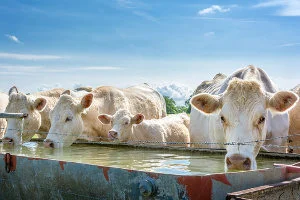
If the water does not taste good, animals also react
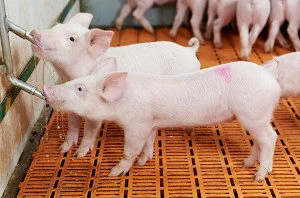
It is easy to imagine that depending on the ingredients in the water, it can taste very different. For us as consumers this is simple, we simply buy another mineral water. Animals do not have this possibility. Farm animals must take what is available.
Customers of ours, i.e. farmers, have noticed that after the installation of Merus rings, the animals drink more water and then eat less. In individual cases, customers have saved almost 10 percent on fodder. These results were obtained in the comparison of 2 stables. One with Merus rings and the other without. All other conditions were the same. No difference between the two stables could be observed in the development of the animals, i.e. the increase in weight.
How does the saving come about?
We assume that animals who don’t like the water also drink less of it. This makes the animals thirsty. Then they eat more to get with the food, moisture or liquid. To quench her thirst.
In order to make statistically viable and thus serious statements, we lack the data in sufficient form. But we are on the right track, as more and more farmers are interested in this topic and simply try out whether the Merus rings achieve such effects with their water.
One thing, however, is clear. The results are more meaningful the worse the initial water is. Conversely, this means that we at Merus are not able to make even better water out of already good water.
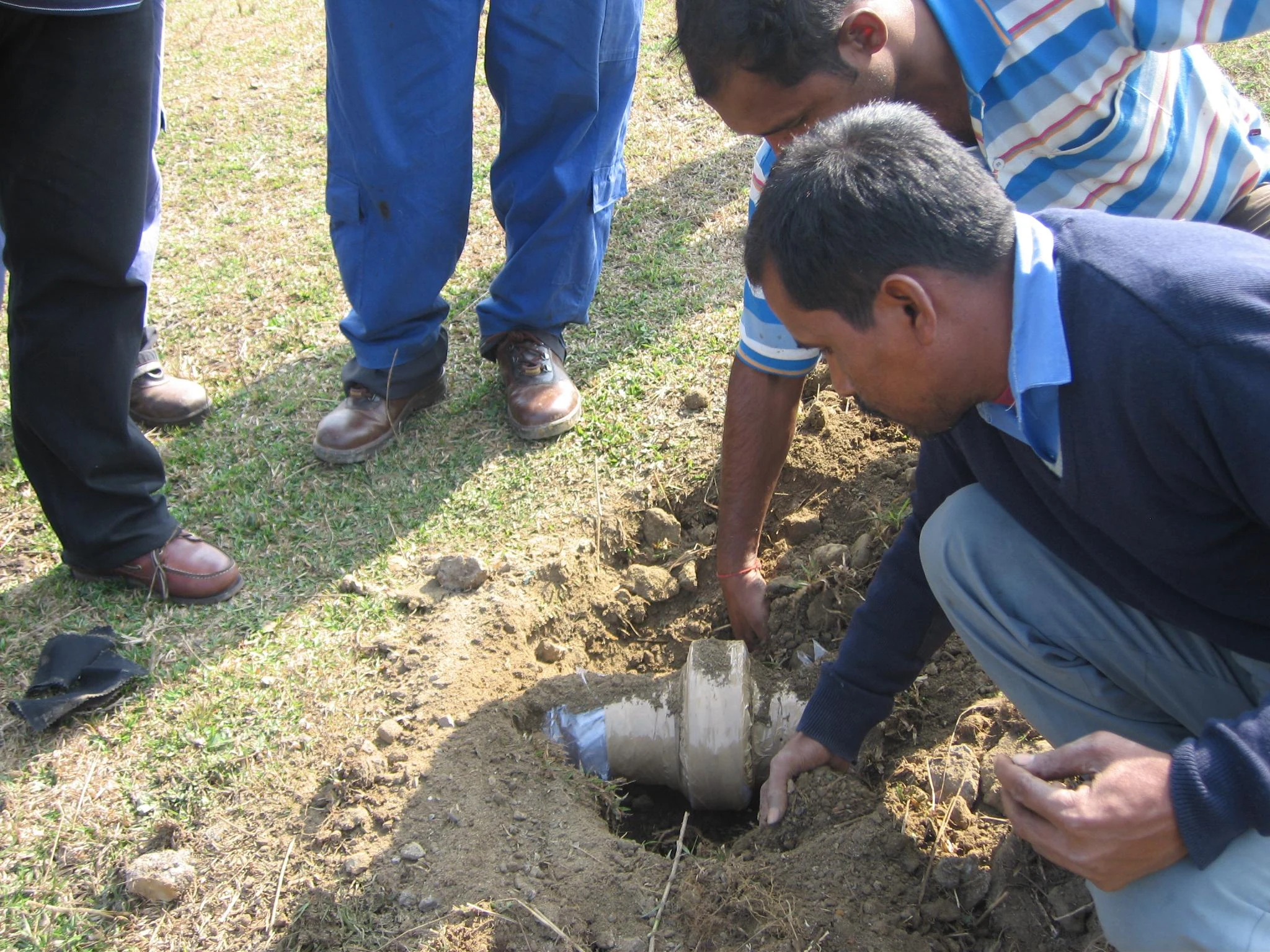
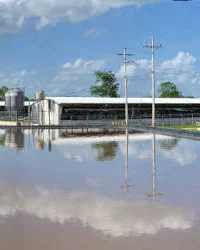
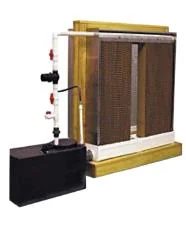
Die Fotos dokumentieren die beschriebene Installation; die Ergebnisse entsprechen dem ursprünglichen MERUS-Bericht. Quellseite: merusonline.com/animals-less-feed
Verwandte Fallstudien
Haben Sie einen ähnlichen Prozess?
Beschreiben Sie uns Ihre Anlage und Betriebsbedingungen – wir prüfen, ob ein MERUS Ring geeignet ist.
Ihre Anwendung besprechen info@merus.de