
Salmon have fewer lice thanks to Merus Rings
Salmon have fewer lice thanks to Merus Rings.
Salmon has become people’s favourite fish. There are several reasons for this. Because there are not enough free-living fish, one has gone over to breeding fish. It all started in Norway. There are ideal conditions for fish farming in the fjords. Salmon is particularly suitable for breeding. Fish is very digestible, contains Omega3 fatty acids and is considered very healthy. The and clever marketing of the producers brought more and more salmon on our plates.
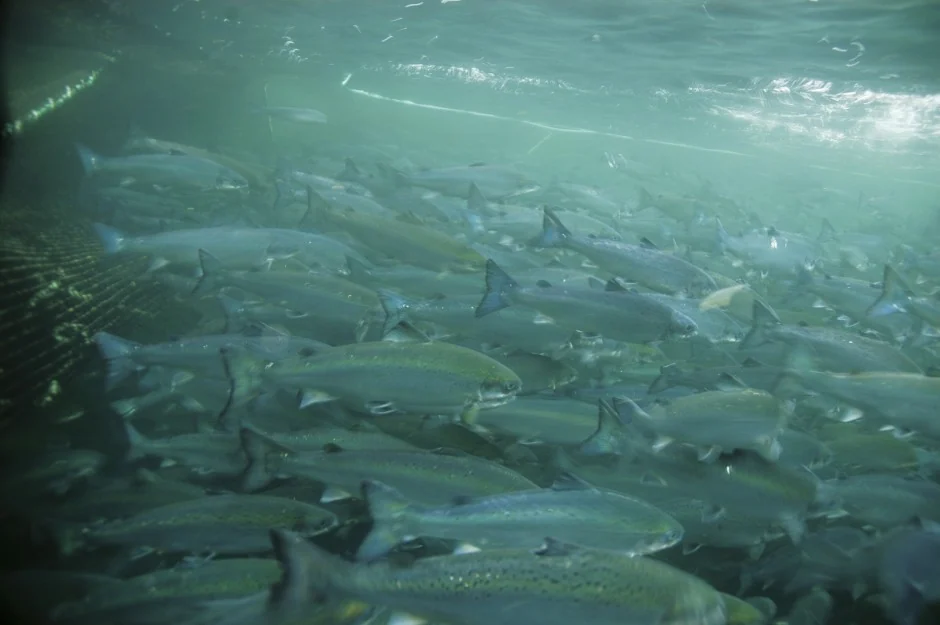
There’s always a crowd in fish farming
But the reality in salmon farming is different. No matter whether the fish are bred, in the sea or in a tank on land, there is always a crowd. As you can see in the picture.
The advantage of this crowd, the salmon are much easier to handle. During feeding or when the fish are caught. You don’t need huge plants, everything is compact together.
Salmon louse is a big problem
Yeah, salmon have lice. The salmon louse is a parasite with the Latin name lepeophtheirus salmonis. This louse is not a new phenomenon, it was discovered almost 200 years ago. The difference to earlier times is the salmon lived in the sea and had a lot of space. Today, it lives together with thousands of other fish crowded into an aquaculture. Lice eggs can spread very quickly in such an environment and find new host fish. The louse docks to the fish skin and lives from the skin of the fish or its blood.
Salmon lice impressed by Merus rings

Norwegian Nofima, one of the largest research institutes for fisheries and aquaculture, has carried out a study with Merus rings. The influence of Merus treated water on the development of young salmon and their greatest threat, the salmon aphid, were investigated. Young salmons are raised in tanks.
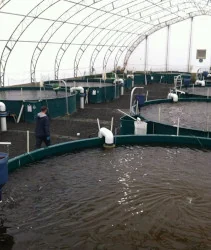
Merus rings have been installed at the water supply of the fish tank and fish are observed how they develop in comparison to salmon in untreated water.
The result was very surprising for all involved. The salmon that benefited from Merus water had almost twice the survival rate compared to the fishn in the untreated tank. This means that the salmon with the treated water has much less infestation by lice.
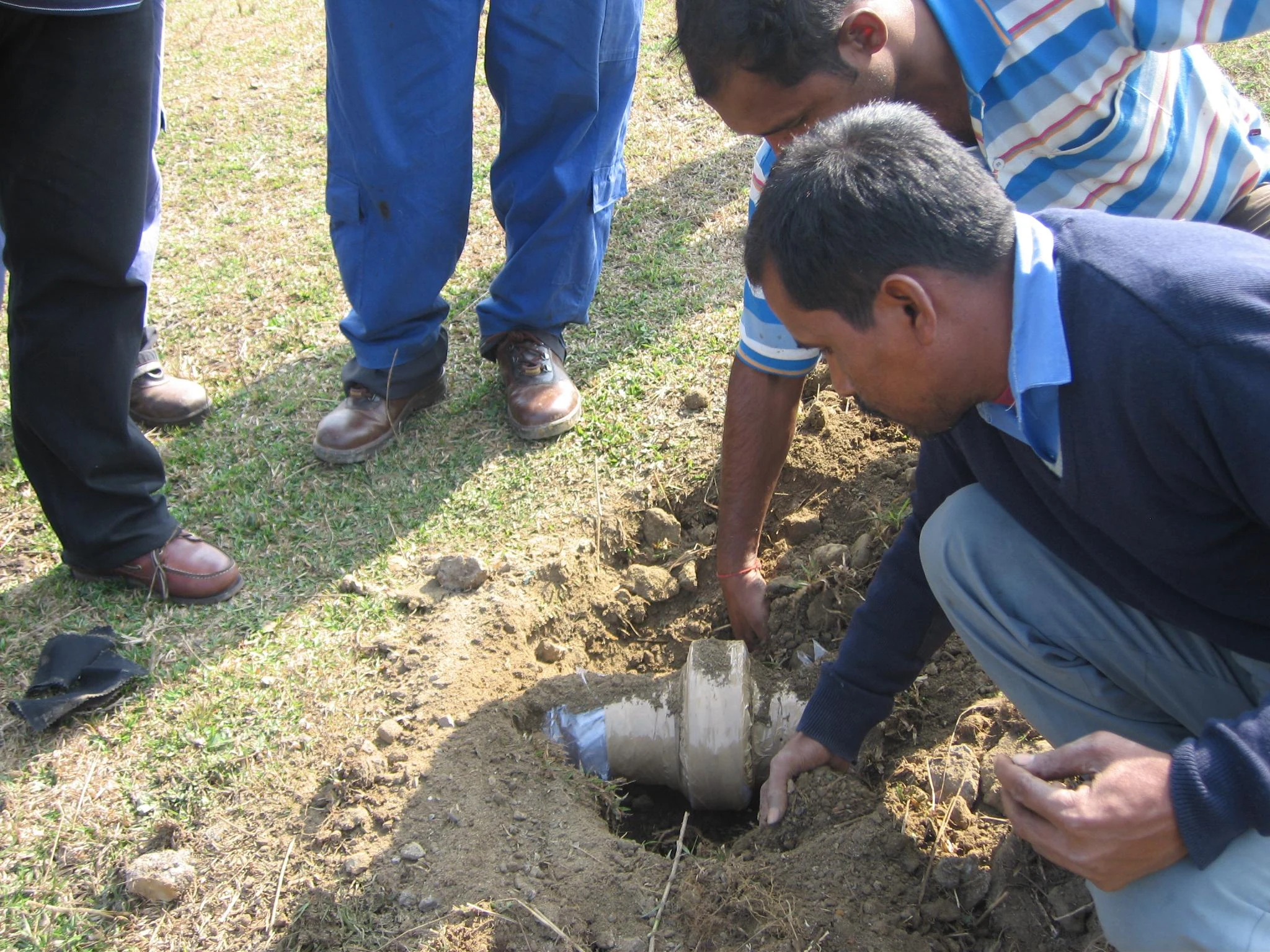
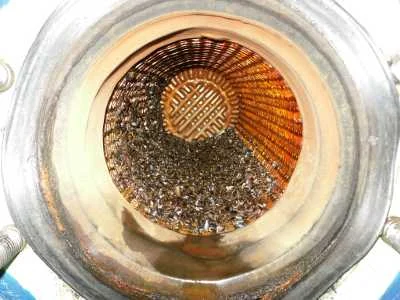
Die Fotos dokumentieren die beschriebene Installation; die Ergebnisse entsprechen dem ursprünglichen MERUS-Bericht. Quellseite: merusonline.com/salmon-fewer-lice
Verwandte Fallstudien
Haben Sie einen ähnlichen Prozess?
Beschreiben Sie uns Ihre Anlage und Betriebsbedingungen – wir prüfen, ob ein MERUS Ring geeignet ist.
Ihre Anwendung besprechen info@merus.de