
Watering in stables works accurate and efficient
Watering in stables works accurate and efficient.
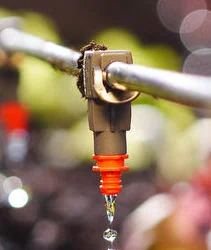
In many stables often very many animals live closely together. The freedom of movement of the animals is restricted. When the water comes to the animals, it’s easier than the other way around. Therefore there are many chicken drinking troughs installed in chicken houses or laying batteries, as you can see in the picture on the left.
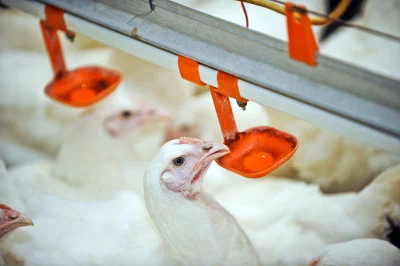
Pipes free of deposits
In order to be able to supply all animals with sufficient water, free pipes are necessary. If the water is calcareous, or full of iron and rust, deposits form. Not only in the pipes, but above all also at the drinking troughs and the valves. You can see these deposits very well on the photo above. The black spots at the top and in the basins of the troughs themselves.
Deposits in the valves cause the valves to open or close incorrectly. With the result either the water runs constantly or there is no more water at all. The drinking trough will then be out of order. These deposits in the basins are a mixture of lime and dirt, that the chickens bring in from the ground or from the feed.
Merus can solve several possible problems at once
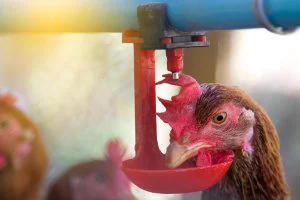
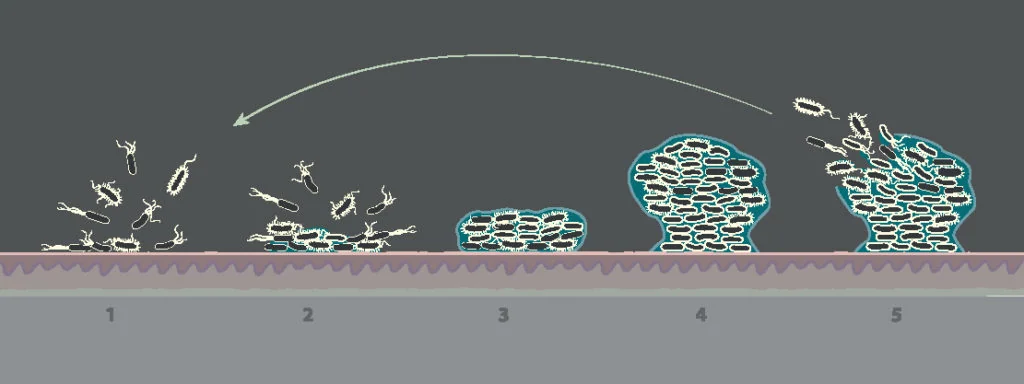
With a Merus ring at the beginning of the water pipeline, we are able to reduce lime scale, rust and also biofilm in the pipeline or completely avoid it. This ensures that there is enough water for each individual trough. The valve and the drinking trough are a bit more difficult, because water does not always flow there. And when water evaporates, lime incrustaions remain. However, this lime is soft and easy to wipe off. Experience from similar applications shows that the service life of the valves increases significantly. This results in fewer malfunctions and maintenance costs.
Fewer additives needed thanks to Merus Ring
In addition to the standard functions against limescale, rust, and biofilm, increasing the solubility is becoming increasingly important. The addition of additives to the water can be optimized. Customers report significant savings in water additives. If vitamins dissolve much better in water, less is needed in total. In some cases this results in very high savings for our customers. The investment in a Merus Ring has been armortised in a few weeks.
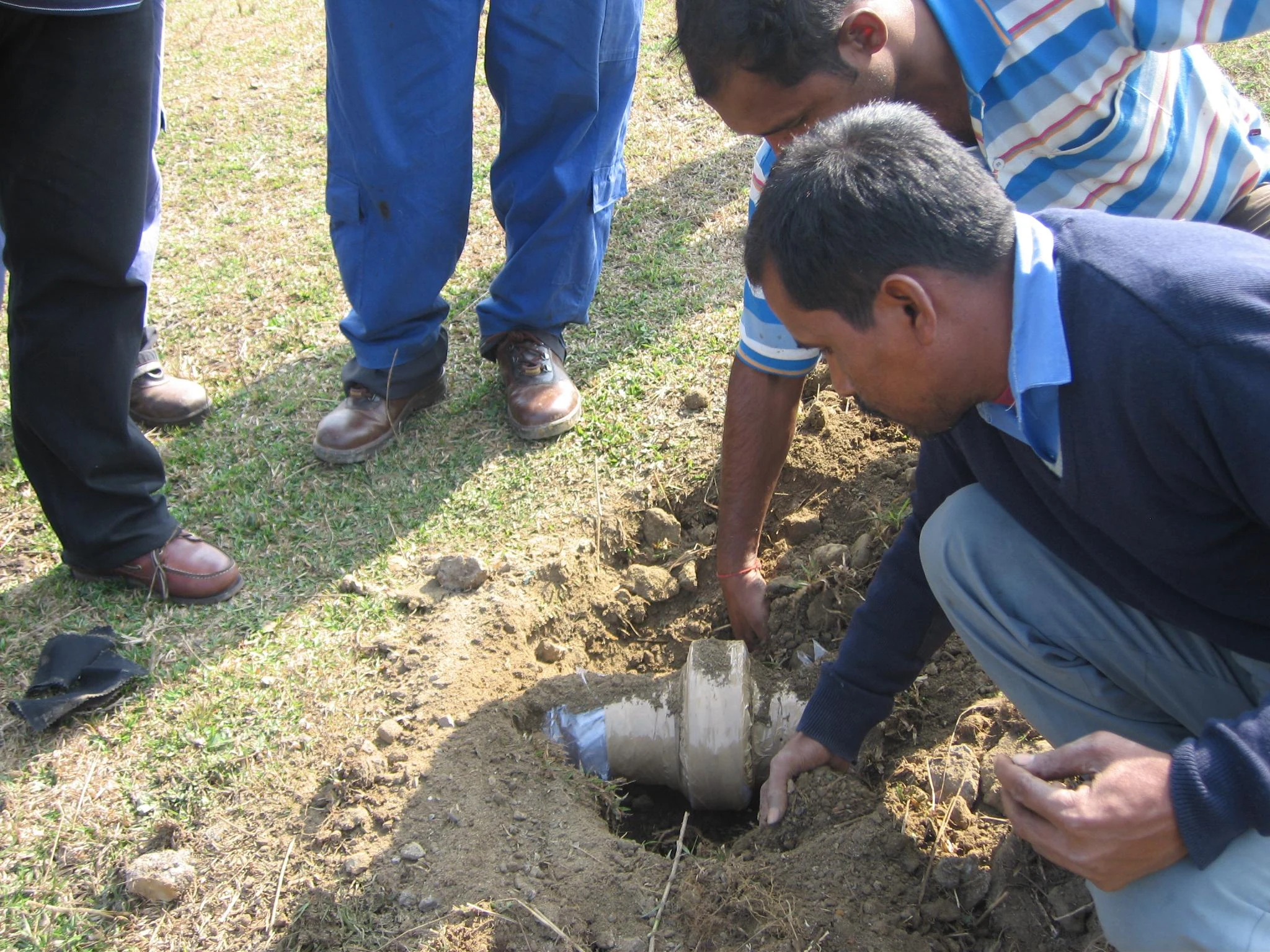
The photographs document the installation described; the findings are those reported in the original MERUS case study. Source page: merusonline.com/troughs-in-barn
Related case studies
Do you have a similar process?
Tell us about your system and operating conditions – we will assess whether a MERUS Ring is suitable.
Discuss your application info@merusonline.com