
Refineries
Refineries.
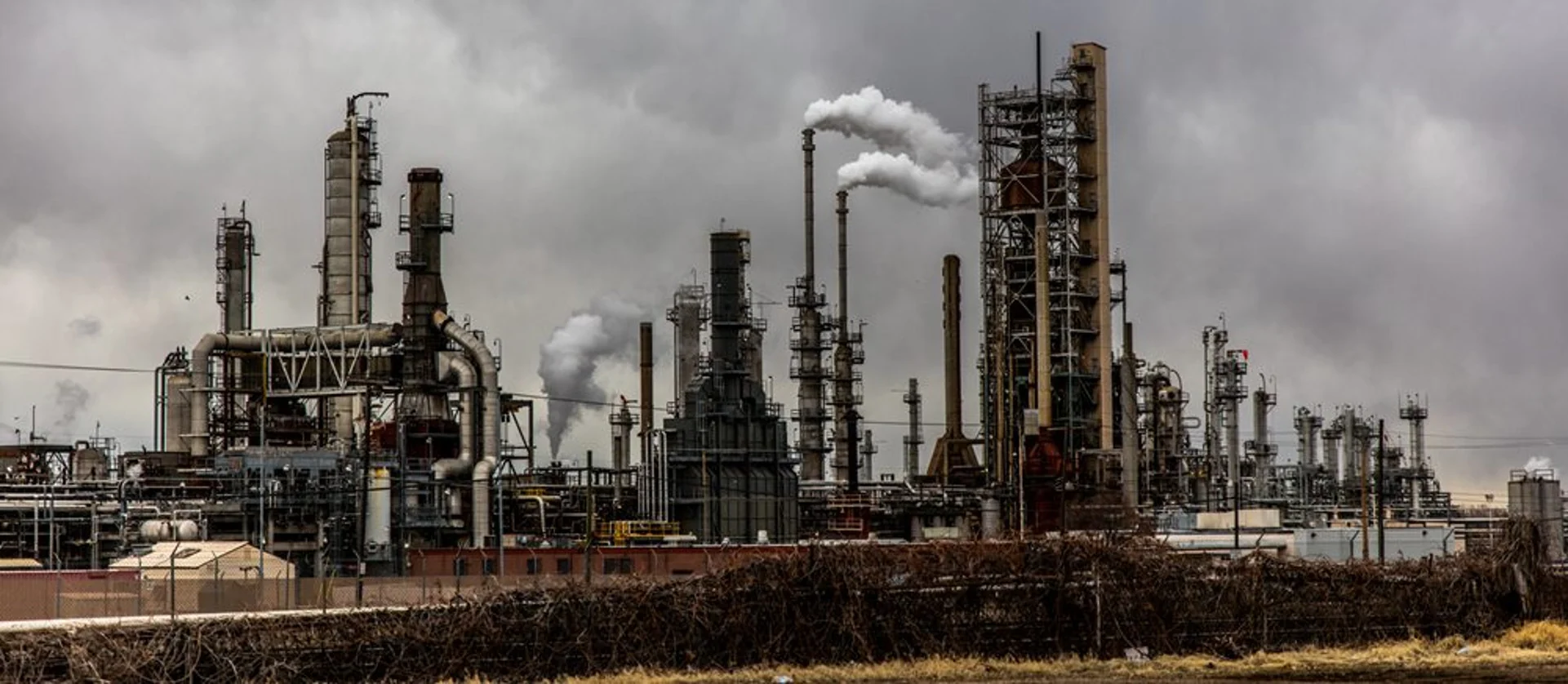
After the crude oil has passed the separation process it is led into a refinery. Here it is split into high-value products such as fuel, kerosene, naphtha, lubricant oil, LPG and also asphalt and petroleum coke.
Whilst slowly heating the crude oil, its various components can be extracted – each at a specific temperature. Most refineries are specialized on only some of the end products. The heating as an essential part of the process is done by steam or a so-called reboiler.
The heating process as such facilitates fouling in the heat exchangers. In this case, this means that parts of the crude oil stick to the inner surface of the heat exchangers. Eventually, this leads to blockage of the flow and as well reduces the heating/cooling capacity.
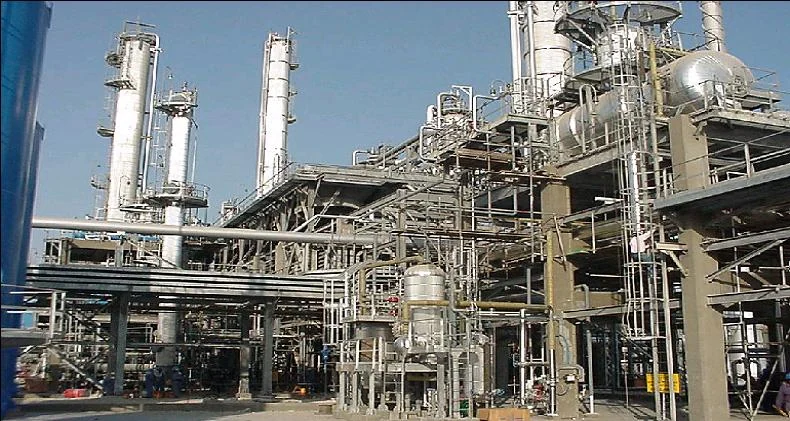
Improving the heat transfer and reducing fouling with Merus
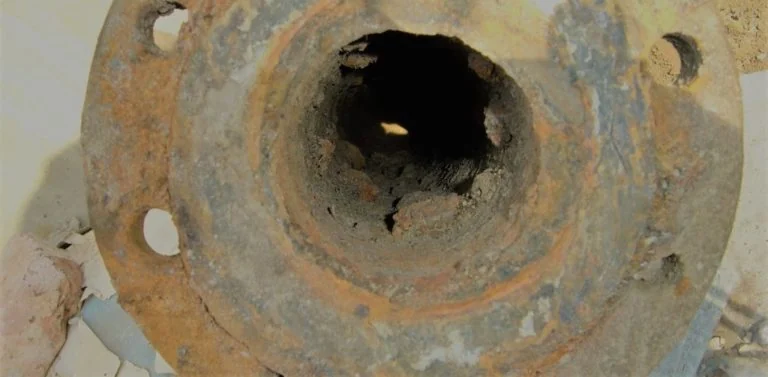
Concerning the water cooling side of the heat exchanger, we have gained a lot of experience with the Merus Group all over the world. If you are interested in our successful installations in this field please follow this link: Merus Water Treatment
Reduced costs for heating/cooling
Improving the efficiency for heating and cooling, in the end, has economic benefits. After the installation, we expect all processes linked to the heat exchangers to be running more stable. A stabilized heat transfer directly saves fuel in the reboiler for heating the crude. In consequence, less carbon is emitted.
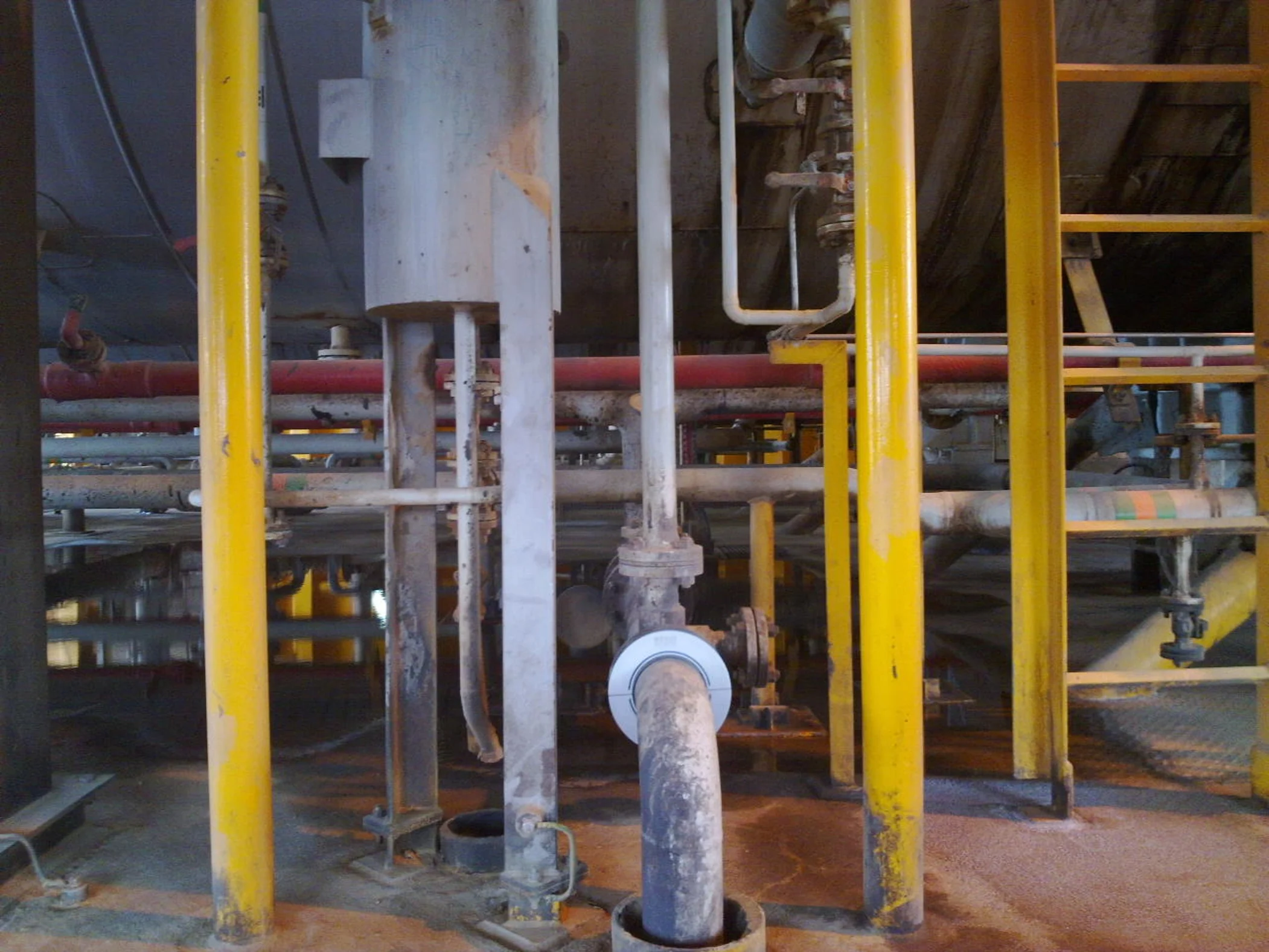
Les photographies documentent l'installation décrite ; les résultats sont ceux rapportés dans l'étude de cas MERUS originale. Page source: merusoilandgas.com/improving-heat-transfer-in-refinery-processes
Études de cas associées
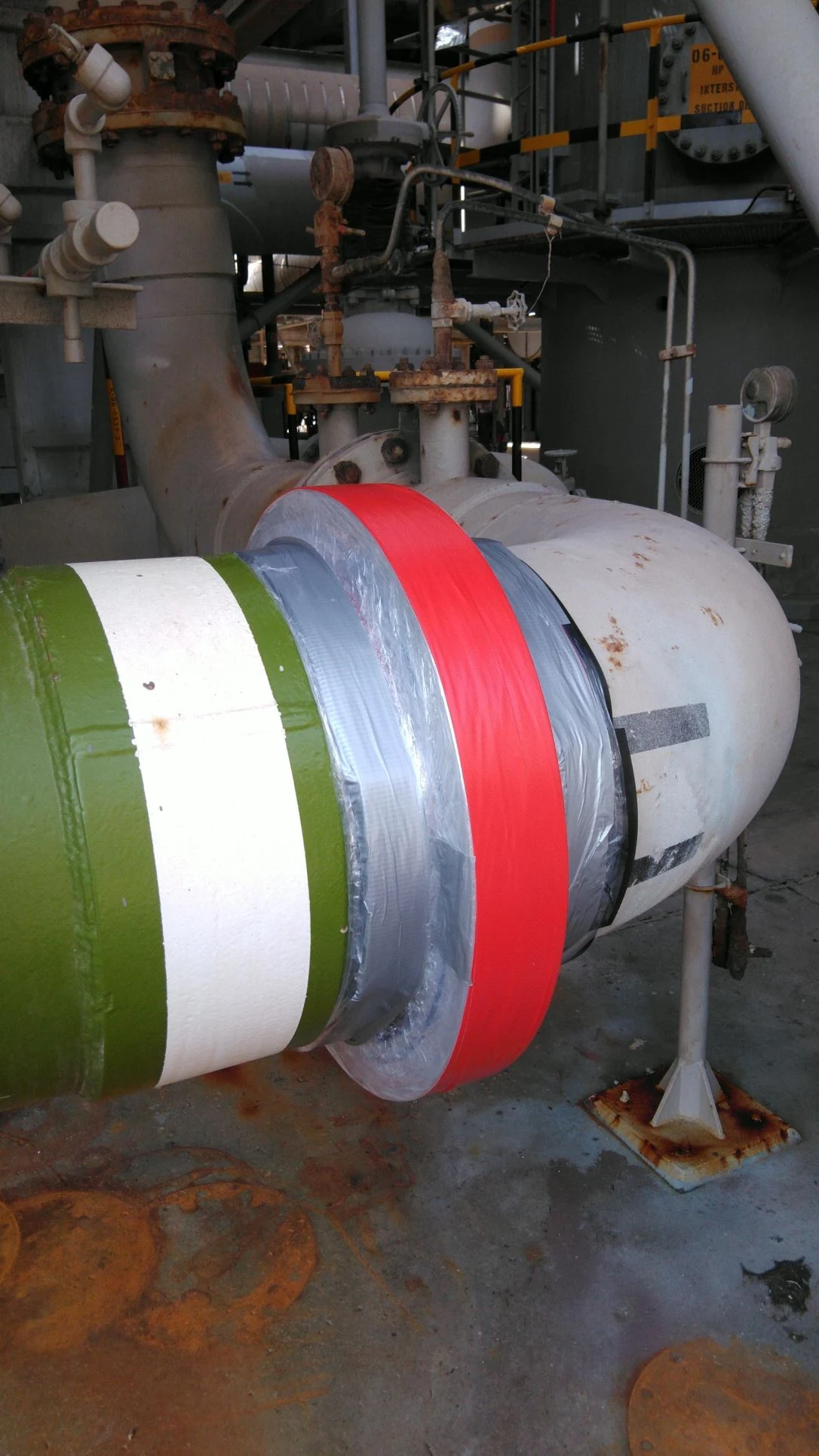
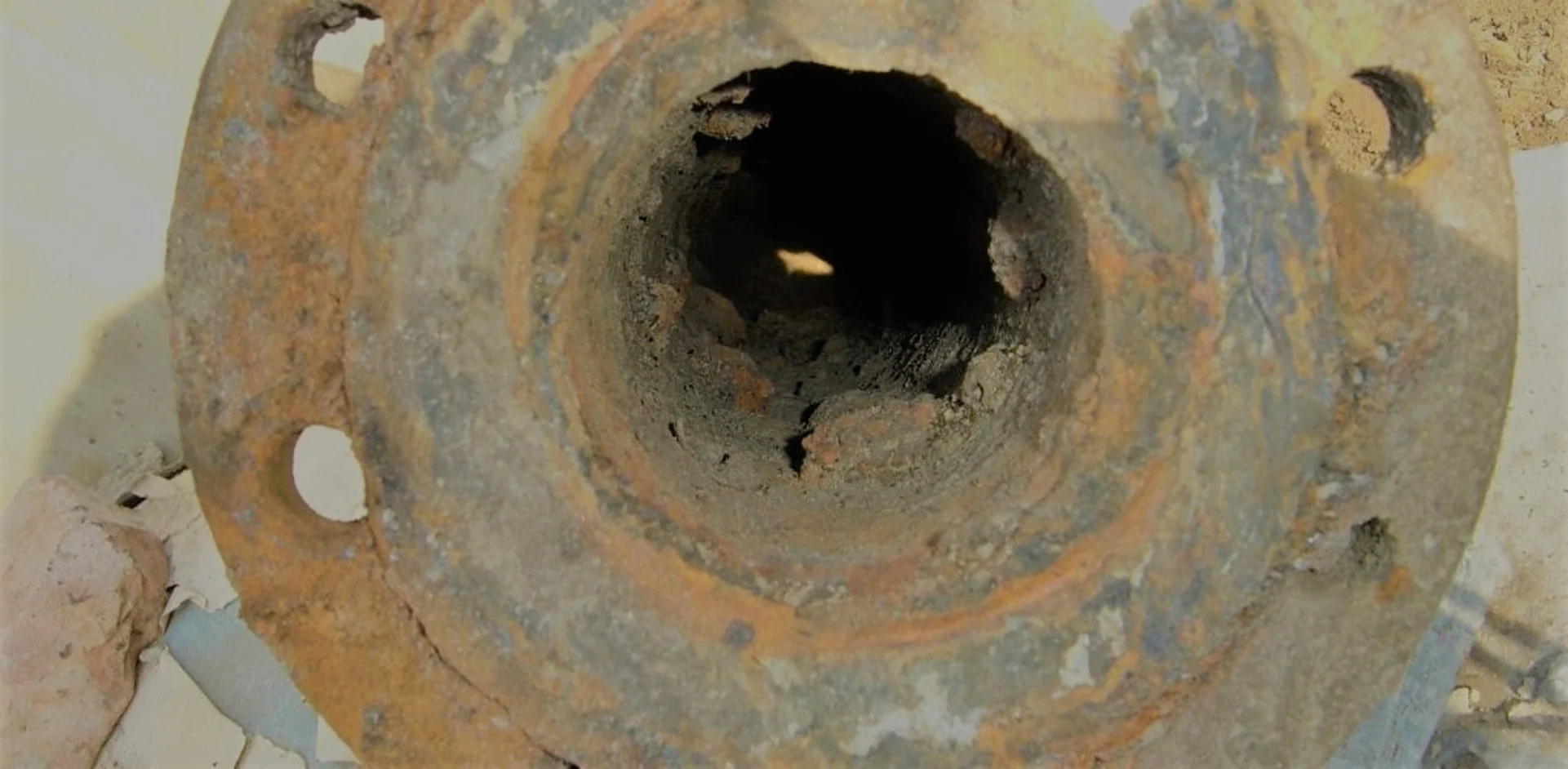
Avez-vous un procédé similaire ?
Décrivez-nous votre installation et vos conditions d'exploitation – nous évaluerons si un anneau MERUS convient.
Parler de votre application info@merus.de