
Corrosion protection in water pipes
Languages: English, German, French, Spanish
Even today, water is mostly transported through metal pipes or systems. Users seek long-term protection against corrosion through the best possible corrosion-control measures, maintaining the service life and function of their pipes and systems.
Corrosion
Corrosion in water pipes means the reaction of the metal with oxygen in the water. How quickly corrosion develops depends on the metal used. Iron, steel and copper pipes are commonly used because these metals are easier to work with than coated steel, for example. In general, the more basic (less noble) the metal, the more susceptible it is to corrosion.
Corrosion protection
Corrosion protection refers to measures that prevent damage to metal components caused by corrosion. A distinction is made between active and passive corrosion protection.
Active corrosion protection
Active corrosion protection may be based on the cathodic method, for example. The pipe material is given a slightly negative charge using a sacrificial anode or an applied direct current. Corrosive liquids react with these excess electrons. As a result, electrons are not stripped from the metal being protected. The material no longer corrodes, the chemical process is prevented, and no rust forms. Sacrificial anodes are used inside components. These anodes are consumed over time and must be replaced. Cathodic protection using direct current is widely used on pipelines to protect their external surfaces from corrosion.
Passive corrosion protection
Passive corrosion protection is the more familiar approach. Surfaces are made unavailable for chemical reactions. In a galvanized iron pipe, zinc protects the iron. Zinc is therefore a widely used form of corrosion protection, with iron pipes and rain gutters being the best-known examples. Surfaces are also painted or lacquered. These paint coatings likewise provide corrosion protection. Surfaces can also be passivated with an oxide layer. Metals passivated in this way must form dense oxidation products to provide good corrosion protection.
Corrosion protection with the Merus Ring
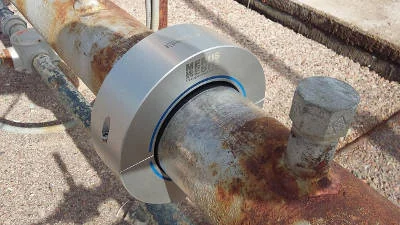
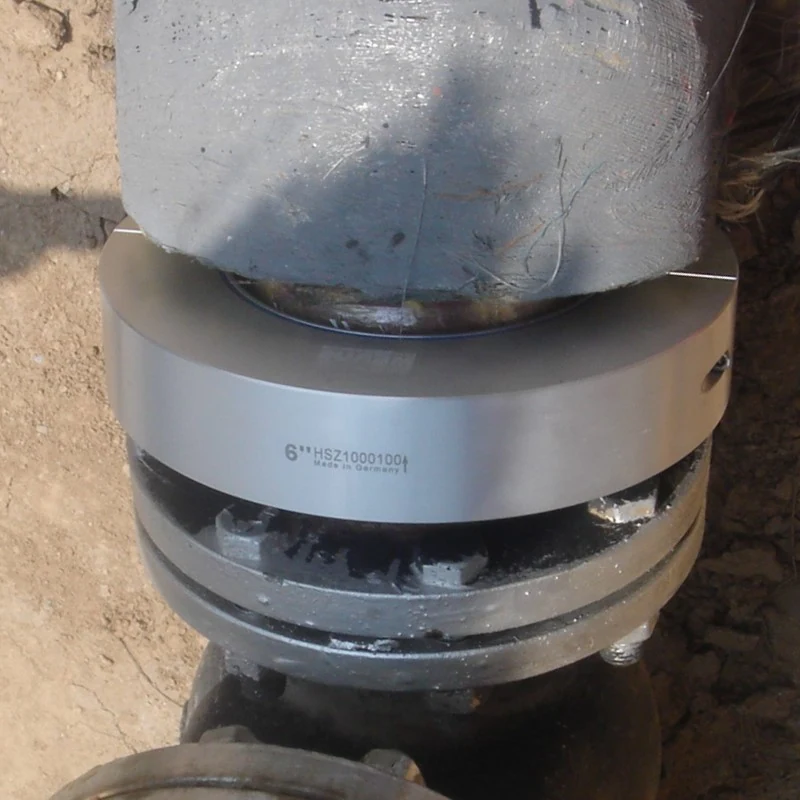
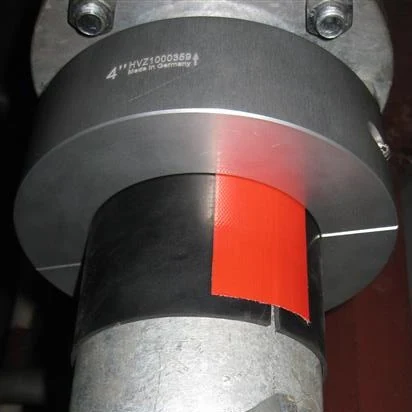
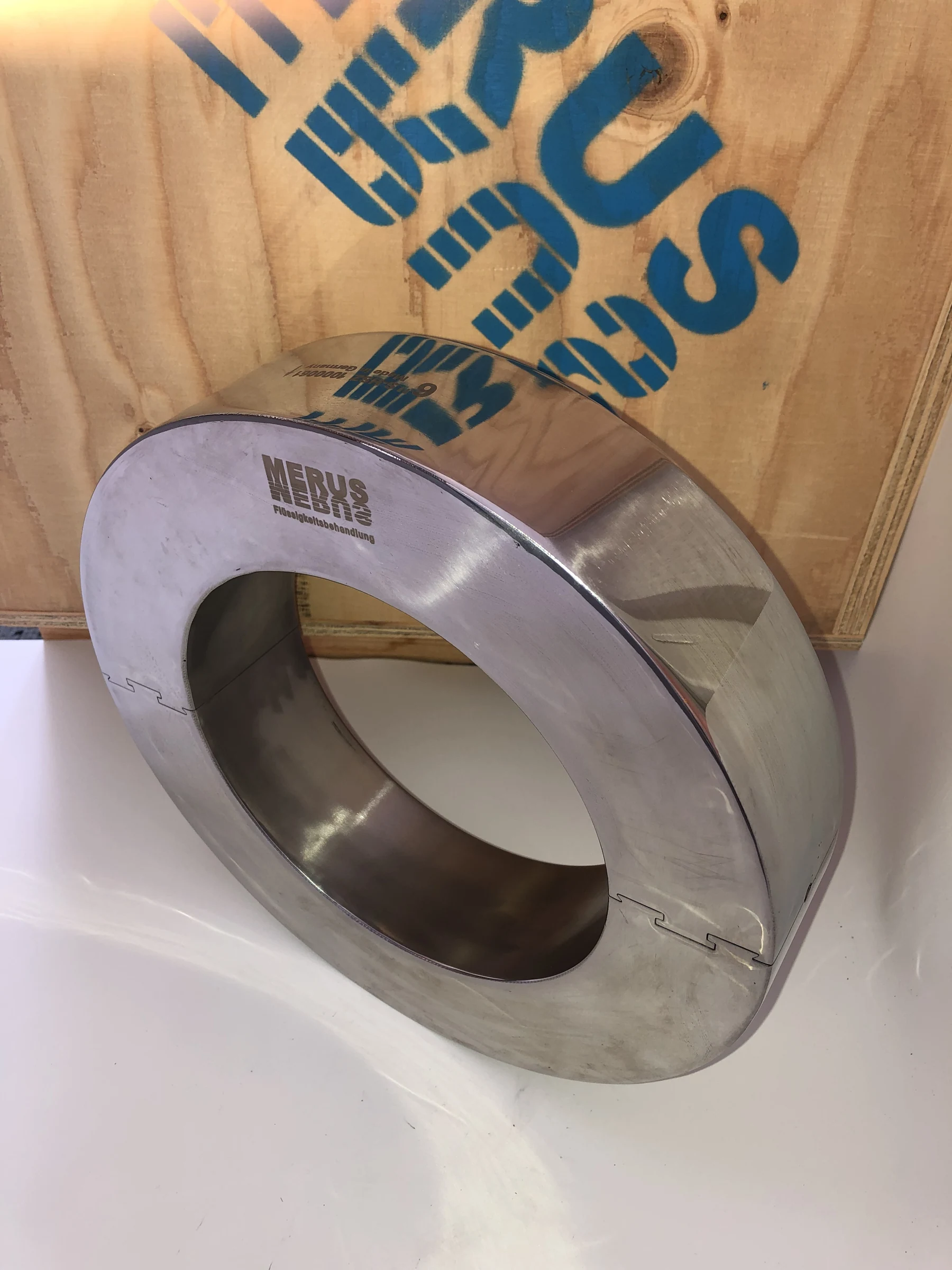
Our Merus Rings provide passive corrosion protection. This passive protection acts both preventively and correctively. Corrective protection means that rust in water pipes and machinery is broken down. The Merus Ring is screwed onto the outside of the pipe. It requires no chemicals or additional energy. The water is not chemically altered. The process is purely physical. In this way, the ring significantly reduces the corrosion rate, while existing rust is removed and flushed out.
Preventive protection means that a thin, black oxide layer of magnetite forms automatically on the inside wall of the pipe. This oxide layer prevents corrosive media or oxygen from reacting with the pipe. Ideally, the entire inside of the pipe turns black, developing its own corrosion protection. You can find practical examples in our references.
The Merus Ring cannot prevent corrosion on the outside wall of pipes. Merus needs water inside the pipe to work.
Source page: merus.de/korrosionsschutz-wasserleitungen