Iron pipes – Limescale deposits and corrosion
Languages: English, German, French, Spanish
Many water installations use ordinary or galvanized iron pipes. This remains true in buildings today, and particularly in industry. Iron pipes are comparatively inexpensive and easy to work with. However, they also have disadvantages compared with higher-quality materials.
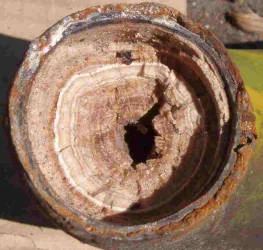
Galvanized iron pipes have a relatively rough internal surface. Limescale usually settles at these points first. This creates an even rougher surface on which still more limescale can settle. In addition, unfavorable water and installation conditions can dissolve the zinc layer on the inside. This then leads to corrosion and rust in the pipes. Our experience shows that this combination of limescale and corrosion causes many water pipes to become progressively blocked over the years. The cross-section narrows more and more, and water pressure falls noticeably.
Merus can stop corrosion and prevent limescale buildup
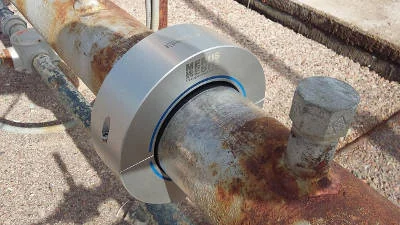
After the Merus Ring is installed, a reverse process begins. Depending on the flow rate and how regularly water is drawn, the pipes become clear again.
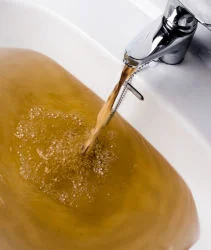
This can be recognized by rust and limescale being flushed out and/or by water pressure and flow rate increasing again. Some customers have installed test sections that clearly demonstrated that corrosion had stopped and most of the deposits had been completely removed.
Once the existing deposits have been removed and the bare iron is exposed, the iron is coated with a protective layer of saturated iron oxide. It turns black, preventing new corrosion from forming.
Source page: merus.de/eisenleitung