
Hard Water Treatment
Hard Water Treatment.
South of Lake Erie, somewhere in Ohio, an older couple built their new home. As usual in the midwest, a well was drilled to supply the house with water. In addition to the drinking water supply, a small orchard will also be irrigated with this well water. The drilling went well, a lot of clean looking water. The water contained mostly calcium and magnesium and a few other mineral, but no bad smell. The bad surprise, the well water has a hardness of unbelieveable 128 grains, which is more than 2200 ppm. All the more surprising, the people in this area are used to getting hard water, but by far not to this extent.
What to do with the hard water
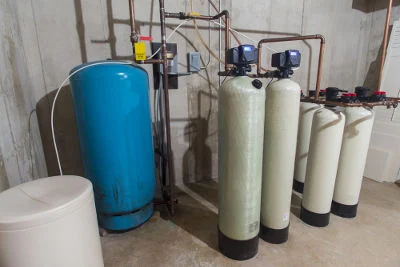
The obvious choice is a water softener, all their friends and neighbors said. A water filter was no option, becasue a filter is cannot do the water softening. And so the couple asked around about what kind of water softener they would need and how much this ion exchange would cost. Most of the local dealers waved them off after hearing how hard the water really was. Only two nationwide water softener manufacturers made an offer.
Their solution was to install two water softeners in series. An extremely high consumption of regenerating salt. And on top of that, no guarantee whether it would work in the end. The cost of these two water softeners would be well over $10,000.
Hard water softener – the Merus solution
How Merus managed
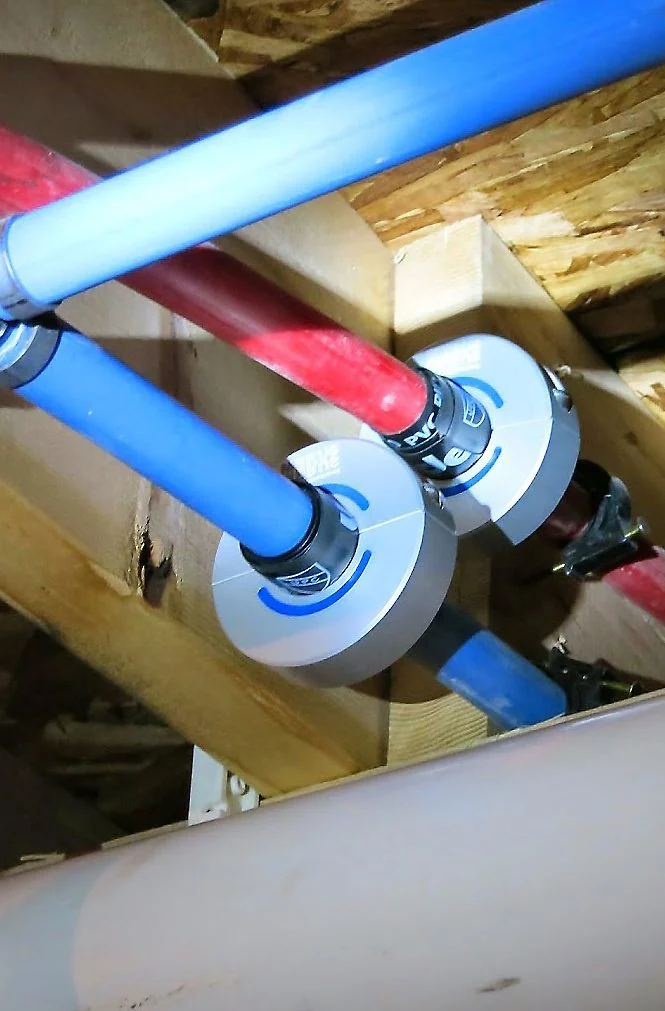
The lady of the house was full of doubts and skepticism. More because four strong men wanted to enter her house, than because of the Merus rings. but finally she let us in. We installed just 3 Merus Rings as water treatment, for the whole house and the garden. One at the pipe after the pump at the well and one each at the blue cold water line and the red hot water line.
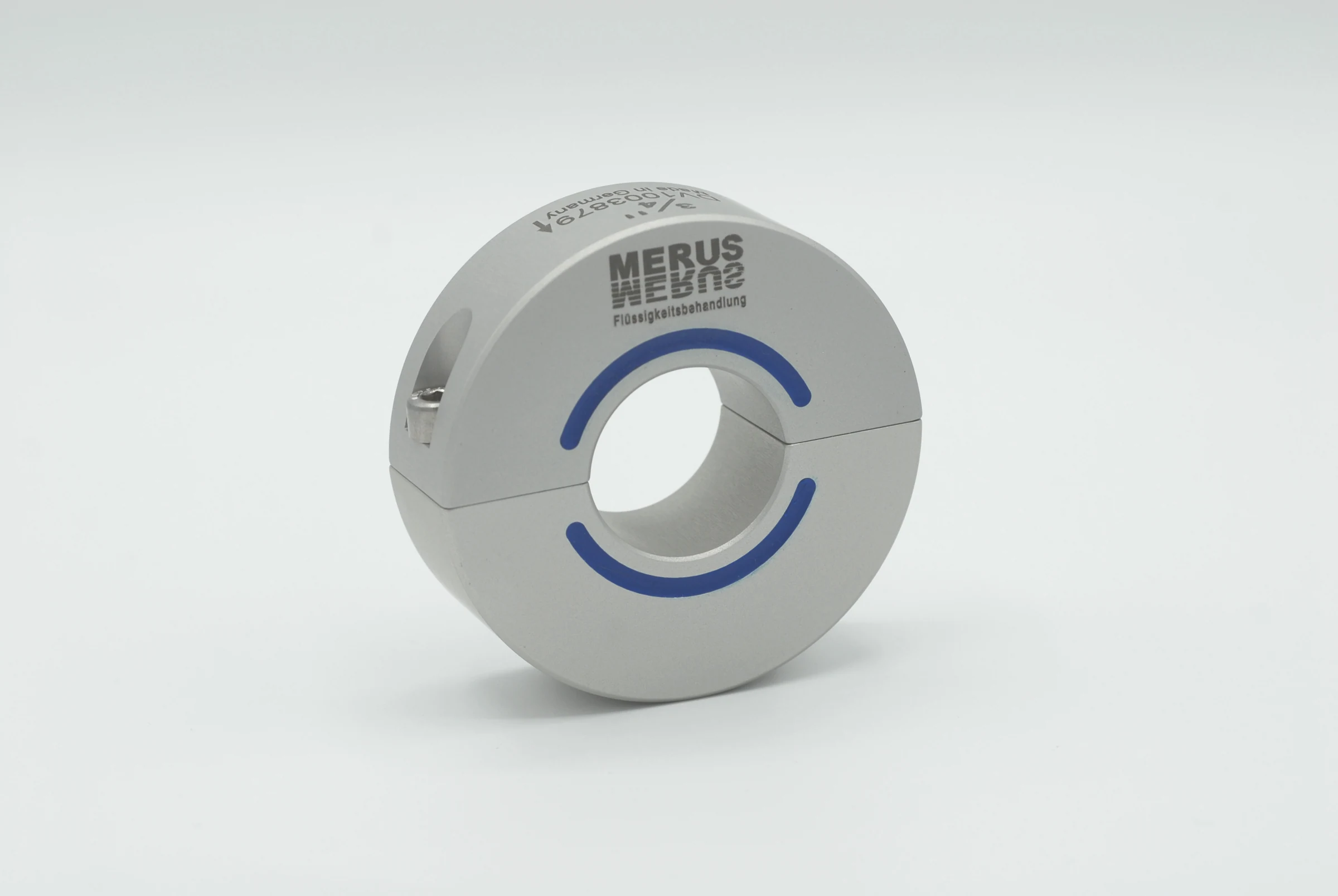
Merus rings change the solubility of all soluble substances in water. This means that the calcium and magnesium, responsible for hardness, remain dissolved in the water, instead of forming hard lime. Merus rings also noticeably change the surface tension. This means that the previously hard water now feels softer. The Merus ring is therefore more of a water conditioner than a water softener. Even if the result in both cases is softened water. The measurable hardness has not changed. Since the hardness measurement only takes into account the chemistry of the water, which is not changed by Merus. The ring only changes the physical behaviour of the water.
Direct after the installation we went in the kitchen, to wash our hands. The soap lathers almost normal, we didnt think about. The housewife looked totally surprised, but said nothing.
We didn’t ask for money right after the installation. Until then, we only dealt with such hard water in industrial applications. And we weren’t sure if it would work the same way in a private home, if the water wasn’t flowing all the time.
We agreed that people should look at the new situation for a few weeks. Then they can judge for themselves how stable the water softening is. Or if there’s any other interference for instance at the water heater or other appliance. Only if everything is ok, we write the bill.
A few hours later, we were sitting in front of a beer, the lady called. She was happy.
She took a bath after we left and it has been as it should. The shampoo foams, the soap lathers, the soft water felt perfect on her skin. Further she told, she saw the lathering soap, before when we washed our hands in her kitchen. But she thought this must be some kind of trick and tested it herself.
The photographs document the installation described; the findings are those reported in the original MERUS case study. Source page: merusonline.com/hard-water-treatment
Related case studies

Do you have a similar process?
Tell us about your system and operating conditions – we will assess whether a MERUS Ring is suitable.
Discuss your application info@merusonline.com