Wax, sludge and sand reduced in trunkline
Wax.
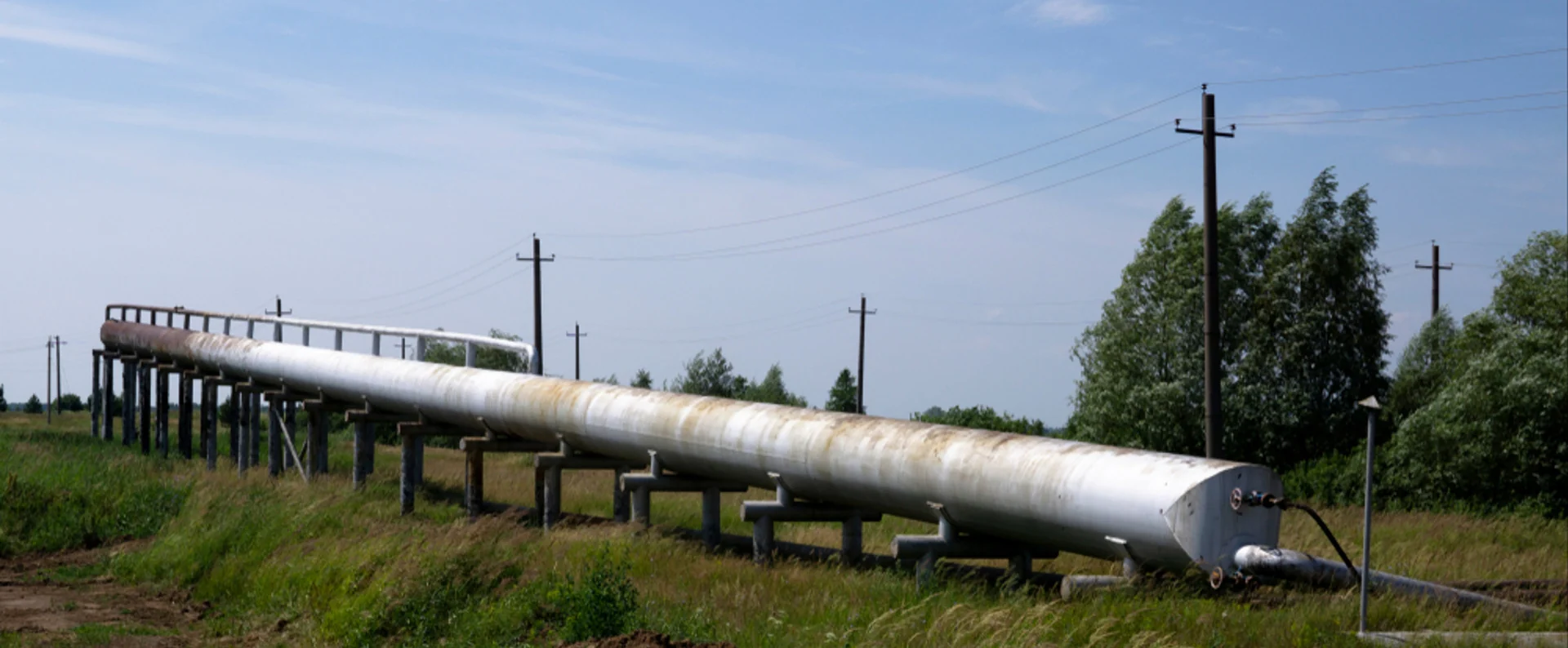
Trunkline from Offshore Platform to Crude Oil Terminal Size 18″, Length 20km, Location SE Asia
In this trunkline all the crude from the offshore wells of one field are transported to the separation plant onshore. Pigging is done every week or two. The received sludge is weighted and analysed. As can be seen at the table above the major ingredients of the sludge are paraffin wax, undefined scale, as well as sand.
The installation of Meurs has been done at 5th of January 2007. The table and the graph above shows the monitoring data 3 month before the installation and 3 month after the installation. As can be seen short after installation of the Merus Ring, there was one last peak in the amount of sludge, this is due to Merus has solved even sludge and scale which is during normal pigging not removed.
After this initial cleaning the amount of sludge is far less then before and also the sludge is far softer. 100kg and more was received prior the installation, which has decreased to around 20 to 30 kg. There is as well less sand received. This does not mean Merus is able to solve the sand as well in the crude, as it happens with the scale and the wax, but having less wax at the pipeline, there is less hold for the sand to settle and so the sand is transported together with the crude downstream.
In the graph to the right, we have calculated the average amount of wax, sand and scale, formed per day. Both for the time before and after the installation of Merus. The calculation has been done by dividing the total amount of e.g. wax received by the days of the period.
A clear improvment can be seen in all values. Whereas the paraffin wax has been before in average 5kg per day with Merus it is below 3kg in average, sand was at 8kg and is now around 1kg a day and scale has been reduced from more than 7kg, to less than 1kg.
Conclusion:
There is clear evidence there is less sludge received and it is in total far softer then before.
Having less sludge after the pigging, which indicates a cleaner pipe line then before, requires also less pigging. Softer sludge is preventing the pig itself from getting damaged. Having less or no damage on the pig itself, will reduce the cost for replacing damaged parts.
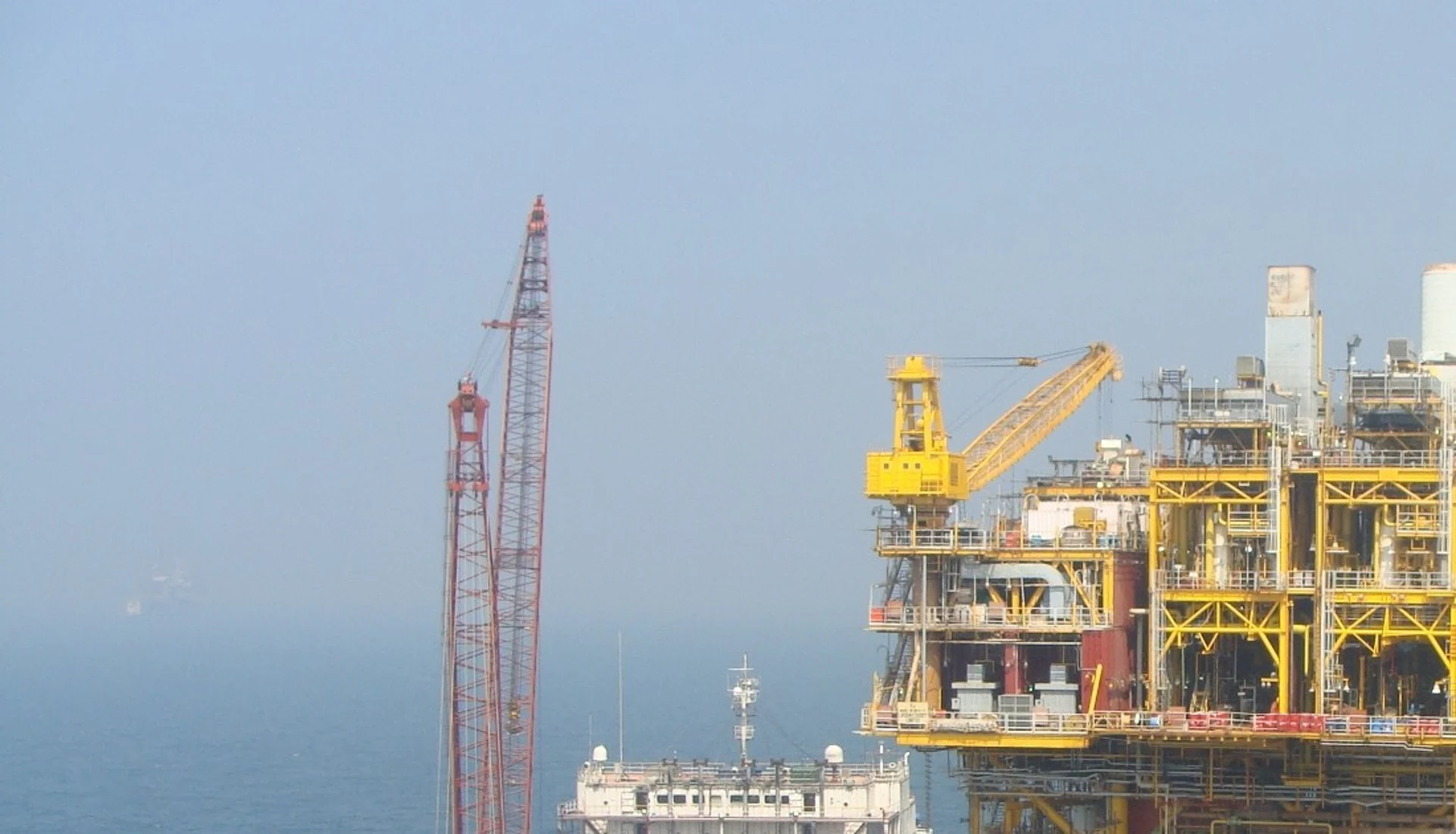
The photographs document the installation described; the findings are those reported in the original MERUS case study. Source page: merusoilandgas.com/wax-sludge-sand-reduced
Related case studies
Do you have a similar process?
Tell us about your system and operating conditions – we will assess whether a MERUS Ring is suitable.
Discuss your application info@merusonline.com