Water treatment – What for?
Languages: English, German, French, Spanish
When we talk to our customers about water treatment with the Merus Ring, they often ask what specific benefits they can expect. To answer this, we have broken this broad subject down into smaller parts.
Drinking water treatment
Drinking water concerns us all, so it provides a good starting point for discussing water treatment.
In accordance with drinking water regulations, drinking water in Europe is treated to a very high standard. Waterworks have water treatment plants that adjust the water's chemical values. Disinfection also takes place, ensuring that drinking water contains no germs.
Nevertheless, there are several things to consider at home. The waterworks are responsible for water quality up to the point where it enters the house. What happens in the private piping system is therefore the homeowner's responsibility, rather than the supplier's.
Limescale is often an issue when treating drinking water in your own home. There are no European regulations setting a maximum permissible lime content in drinking water. Lime is not harmful to health and is therefore not covered by these rules. As a result, there are regions where water hardness significantly exceeds 20° dH.
Why treat drinking water?
Treating drinking water in your own household to prevent deposits in pipes can save money and frustration. The hardness level at which a water treatment system becomes necessary is a matter of debate. Limescale can settle and cause damage over time.
Wastewater
We surely all agree that wastewater must be treated before it is discharged into rivers and streams. This applies to domestic wastewater, but especially to wastewater from industry and agriculture. Water treatment usually has several stages: mechanical treatment, a biological stage and a chemical stage. These systems are adapted to the particular situation. Industrial wastewater has different treatment requirements from domestic wastewater.
Why treat wastewater?
The aim is to obtain water that is as clean as possible by removing harmful foreign substances. The effort required depends heavily on how polluted the wastewater is. What comes out at the end, in other words how thoroughly the water treatment works, can be measured in many ways. For example, the biochemical oxygen demand (BOD) of the water is determined to establish how many biological pollutants remain in the wastewater.
Seawater
Water treatment is always required to use seawater as drinking water or for technical purposes. The salt in seawater must be removed, both to make it drinkable for people and animals and because water with a high salt content forms deposits in pipes and machinery. Another important factor is that salt water is highly corrosive and attacks metals. Worldwide, more than 60% of desalination uses MSF (Multi-Stage Flash) distillation. This multi-stage process is very energy-intensive. Reverse osmosis systems and other suitable filtration systems, such as ultrafiltration or similar methods, are also used. Along coasts or on islands where insufficient groundwater is available, drinking water has to be produced from seawater. The same applies to merchant ships and offshore platforms.
Service water
By definition, service water or utility water is water whose purity does not reach drinking water quality, but which is clean enough to be used in machinery for heating or cooling. Its quality is also sufficient for agricultural irrigation. Service water often needs treatment as well. When used in cooling circuits, it must be conditioned appropriately to ensure trouble-free cooling.
Process water
Process water is required to manufacture products or forms part of the finished product. This water is a raw material in the production of beverages, pharmaceuticals and food, for example. It also serves as the basis for chemical products such as cleaning agents or cosmetics. There is no standard for process water. Water treatment requirements depend on the final product to be manufactured. Microchip manufacturing requires ultrapure water with no particles whatsoever. Process water used in hospitals or in the pharmaceutical industry is known as Water for Injection. It is obtained by distillation and checked by TOC measurement.
Merus Ring
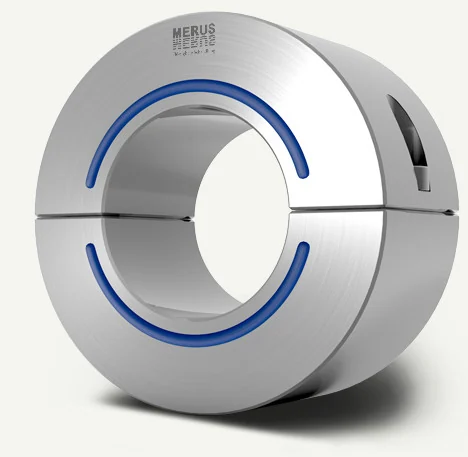
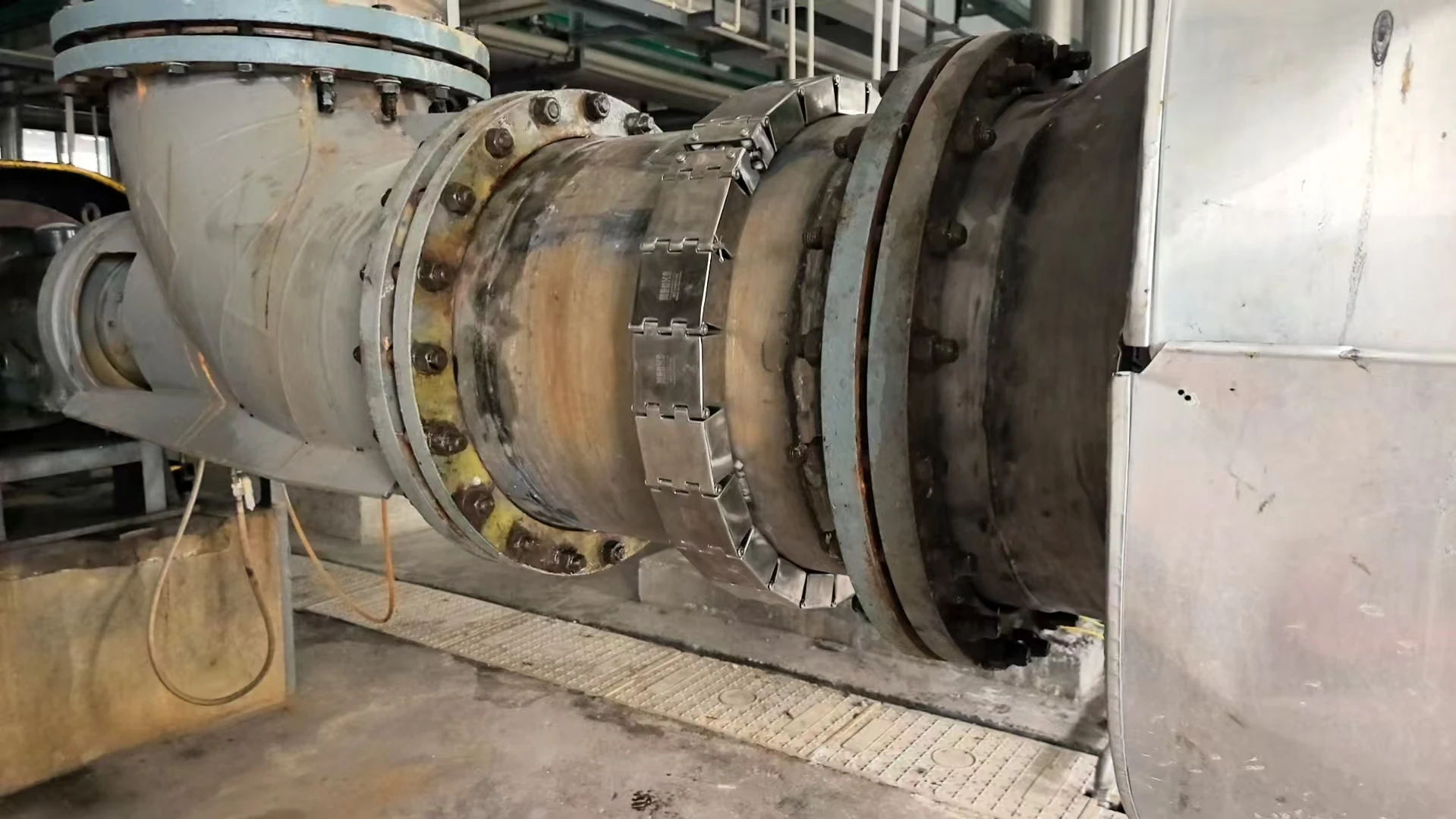
For all these applications and quality requirements, the Merus Ring can support the existing water treatment plant. In drinking water or service water, it can also be used as the sole water treatment method. See also our application examples.
The Merus Ring ensures that water-soluble substances are carried along with the water. In this way, pipes and their associated systems are protected from damage caused by deposits.
Source page: merus.de/wasseraufbereitung-wozu