Water containing iron
Languages: English, German, French, Spanish
Many untreated waters contain dissolved iron and/or manganese. Larger quantities of iron are often found in well water and bank filtrate in particular. The iron content of a well depends on the groundwater itself and the ground into which the well is drilled. Before this well water is used, industrial companies or water suppliers remove iron and manganese, among other substances, from the drinking water as part of water treatment.
When water is supplied from a private well, the well-water user must arrange an appropriate solution. If groundwater is to be used as drinking water, it must meet the requirements of the German Drinking Water Ordinance. In Germany, the limit for iron in drinking water is 0.2 mg/l. The limit for manganese is 0.05 milligrams per liter. The authorities also monitor these values. If iron or manganese levels are too high, the drinking water must be treated using an iron filter or iron-removal process. If well water is used as service water or for watering a garden, field or pond, no limits have to be observed. The disadvantage of water from which iron has not been removed is that, when the water evaporates, the iron remains. It reacts with oxygen in the air and causes brown stains: on lettuce in the garden, on paving slabs or on house walls.
Merus cannot remove iron…
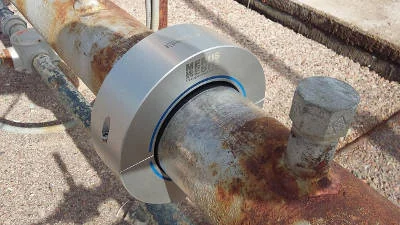
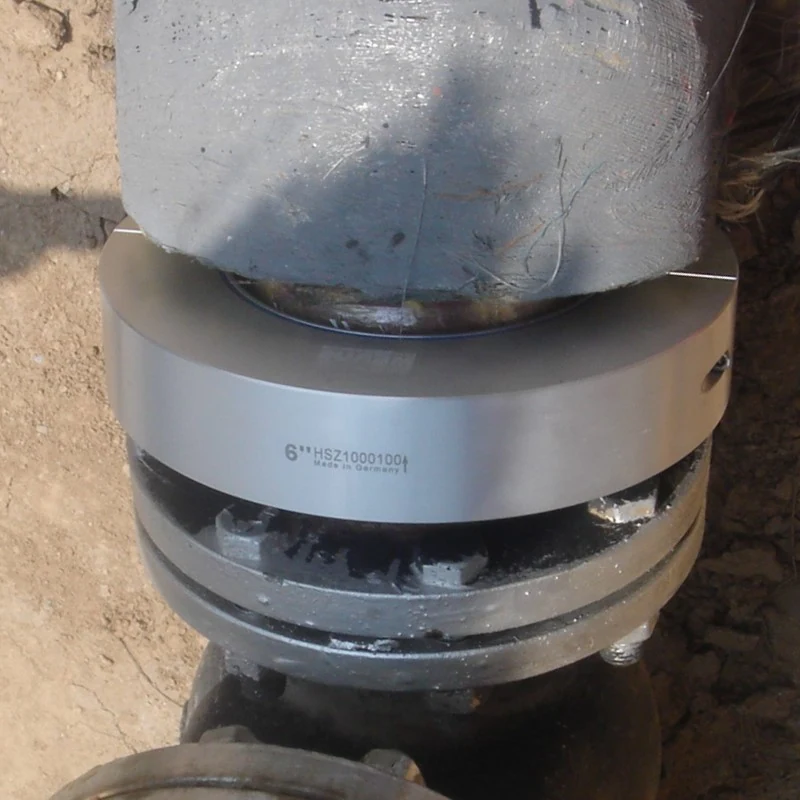
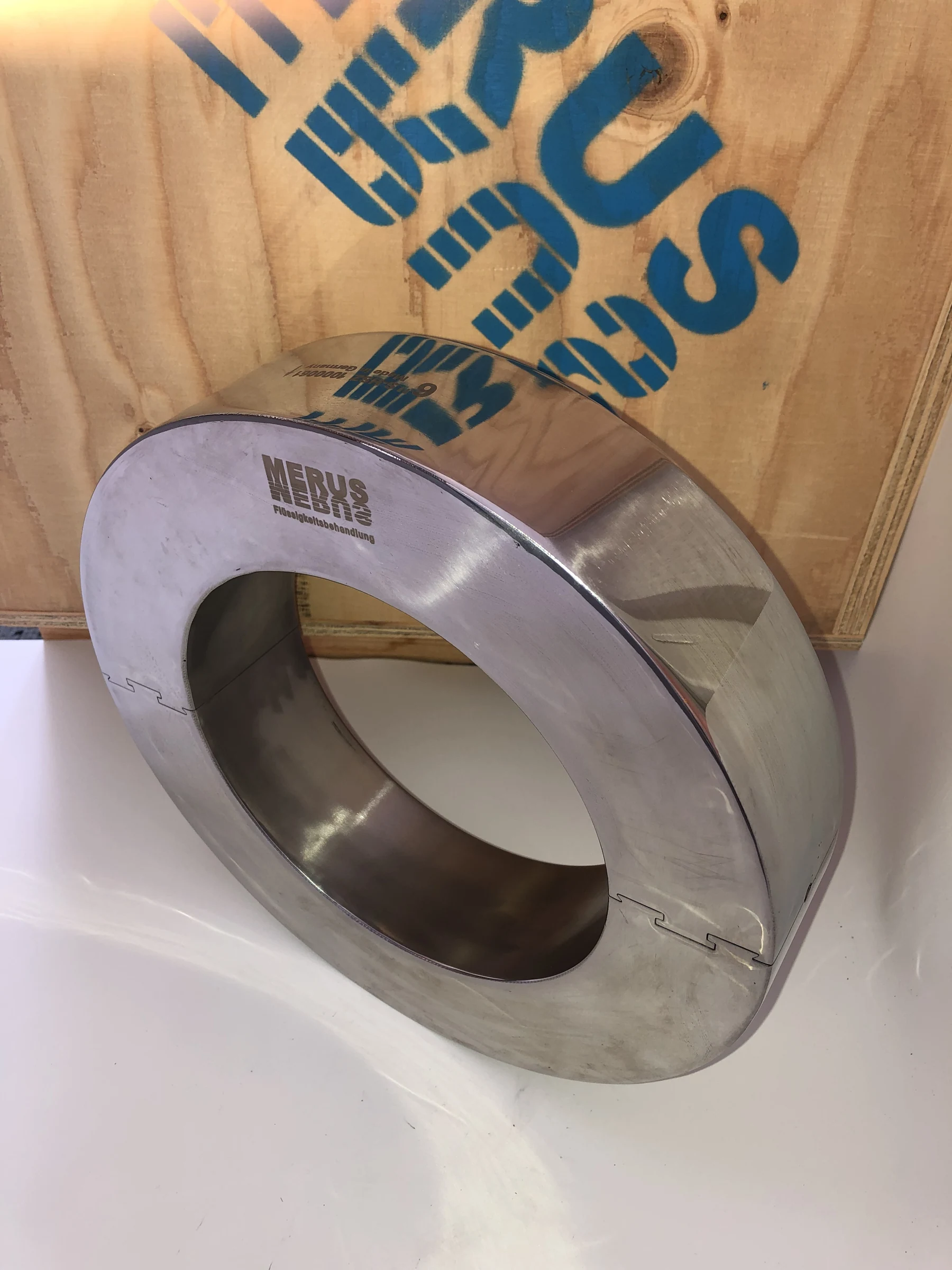
Of course, our Merus Rings cannot physically remove iron from water. However, Merus can significantly reduce the problem of brown discoloration in water containing iron. We do this by using the ability to increase the solubility of all soluble substances in a liquid. As a result, iron also remains dissolved in the water at higher concentrations. It does not react with oxygen and does not cause discoloration.
…but can significantly reduce brown stains on plants or house walls
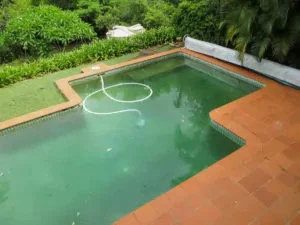
Our experience shows that brown water in a pool or swimming pond becomes clear again over time. In pools and ponds, the Merus Ring can also significantly reduce algae growth. Brown discoloration on plants such as tomatoes or lettuce is greatly reduced or disappears entirely.
The iron is still present in the water; it simply no longer turns brown. Iron deposited in the pipes is also loosened and gradually flushed out of the piping system. When water containing iron evaporates, brown discoloration may still occur, though to a much smaller extent. The reason is that the iron dissolved in drinking water cannot evaporate with it. It remains behind and, after a while, reacts with oxygen in the air.
Brown tap water is generally not caused directly by iron. In the vast majority of cases, it is discoloration from rust. This comes from rust deposits in the pipes caused by corrosion within the piping.
Water containing iron and health
Our customers repeatedly ask whether a high iron concentration in drinking water poses a problem for human health. As always in life, the amount is what matters. At a concentration of half a milligram per liter, drinking water begins to smell unpleasant. The WHO (World Health Organization) still considers an iron content of 3 mg/l in tap water to be safe. This means that water begins to smell at one-sixth of the WHO limit. I think very few people would consider drinking such foul-smelling brown liquid.
Water containing iron and insufficient rainfall
The drought we now experience almost everywhere in summer also puts considerable pressure on groundwater. When there is not enough rain, the groundwater level falls. This is first visible in the streams and rivers that feed the groundwater. As a result, wells yield less water, and the water pumped to the surface contains far more minerals. Put simply, it becomes harder and also contains more iron. See also Saving water.
Source page: merus.de/eisenhaltiges-wasser